
Teeth Whitening Strips vs Professional Teeth Whitening: What Actually Works Best?

A bright smile has always been linked to confidence, but in today’s world, people are more aware of their teeth than ever before. With selfies, video calls, social media, and constant exposure to cameras, even small changes in tooth color can feel more noticeable.
Because of this, many people have become conscious about yellowing teeth or uneven shading. As a result, teeth whitening has become increasingly popular, with more options now available for at-home use and professional treatments.
Two of the most common choices are whitening strips and professional teeth whitening. Both aim to improve the appearance of your smile, but they work in different ways and produce different levels of results.
Understanding these differences can help you choose the option that best fits your needs, lifestyle, and expectations.
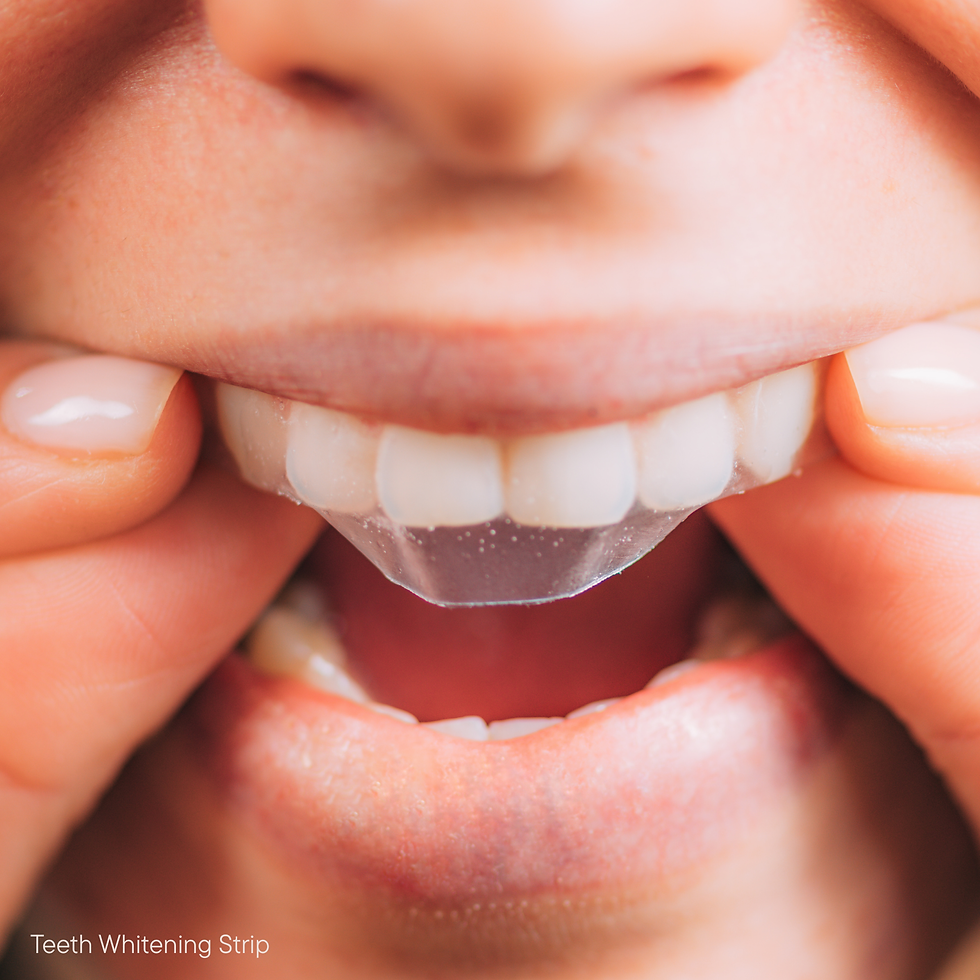
What Are Whitening Strips?
Whitening strips are thin, flexible strips coated with a whitening gel that you apply directly to your teeth. They are designed for at-home use and are usually worn for a short period each day over one to two weeks.
They are widely available and often chosen because they are affordable and easy to use without any special equipment.
How Whitening Strips Work
Whitening strips use a peroxide-based formula that helps break down surface stains on the teeth. These stains are usually caused by everyday habits such as drinking coffee, tea, soft drinks, or smoking.
With consistent use, whitening strips can make teeth appear brighter by lifting some of these surface-level stains.
However, because the formula is relatively mild, the change is usually gradual and subtle rather than dramatic.
Why People Choose Whitening Strips
Whitening strips are one of the most popular at-home whitening options, mainly because they are easy to access and simple to use. They can be bought over the counter and used at home without any special tools or guidance, which makes them appealing for people who want a quick and convenient option.
Another major reason people choose whitening strips is affordability. Compared to other whitening methods, they are a lower-cost way to start improving the appearance of teeth without a big commitment.
Limitations of Whitening Strips
While whitening strips can be convenient, they do have some limitations:
They may not fully cover all tooth surfaces evenly
Results can vary depending on the person and the level of staining
They mainly target surface stains only
They may cause sensitivity in some users
For people looking for a light improvement, they can be a simple starting point, but they may not always deliver a fully even or long-lasting result.
Side Effects of Whitening Strips
While whitening strips are generally safe when used as directed, some people may experience mild and temporary side effects, especially with frequent or improper use.
Common side effects include:
Tooth sensitivity, especially to hot or cold foods and drinks
Mild gum irritation if the strips touch the gums
Temporary uneven whitening if placement is inconsistent
A dry or chalky feeling on the teeth right after use
Increased sensitivity if used more often than recommended
These effects usually fade shortly after stopping use or completing the treatment cycle. In most cases, they are linked to overuse or uneven application rather than the whitening strips themselves.
What Is Professional Teeth Whitening?
Professional teeth whitening is a cosmetic treatment that lightens the color of the teeth using whitening agents that are stronger than those found in over-the-counter products. It is carried out by dental professionals or trained teeth whitening practitioners who apply and control the whitening process.
The treatment is designed to reduce stains and discoloration on the teeth, resulting in a brighter overall appearance.
How Professional Teeth Whitening Works
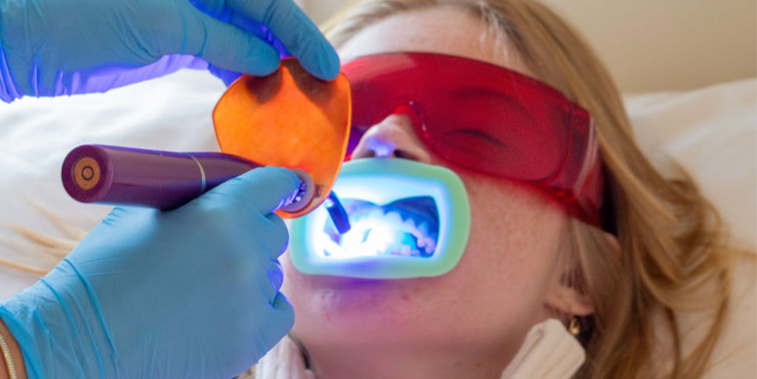
Professional teeth whitening uses a higher-strength whitening gel that is carefully applied to the teeth in a controlled setting. Before starting, the teeth are usually cleaned so the whitening agent can work more effectively on the surface.
A protective barrier is then used to help shield the gums and surrounding soft tissue. Once everything is prepared, the whitening gel is applied to the teeth.
In many cases, an LED light is also used during the process. This light helps activate the whitening gel and supports the breakdown of stains on the enamel, allowing the whitening process to work more efficiently within a set period of time.
Depending on the type of treatment, the process may involve one longer session or a few shorter applications in stages. The whitening agent works by breaking down both surface stains and deeper discolouration within the enamel.
Because the process is controlled and monitored, the strength and timing can be adjusted based on how the teeth respond, helping achieve a more even result.
Can Professional Teeth Whitening Cause Side Effects?
Professional teeth whitening is generally safe when done properly. Some people may experience temporary tooth sensitivity after the treatment, especially if they already have sensitive teeth.
This sensitivity is not permanent and usually settles within a short period after the whitening session.
Does Professional Teeth Whitening Damage Enamel?
This has been one of the frequently asked questions when it comes to professional whitening, but professional teeth whitening does not damage tooth enamel when carried out correctly and in a controlled manner.
The treatment works by breaking down stains on and within the tooth surface without removing or weakening the enamel itself. Enamel is the hard, protective outer layer of the tooth, and it is not stripped away during the whitening process.
Benefits of Professional Teeth Whitening
Can lift deeper stains and years of discoloration
Instant visible results, often in just one session
Quick treatment time, usually around one hour
Even whitening across all visible teeth
Gum protection used during the procedure
Desensitizing gels available for sensitive teeth
Low maintenance — with proper aftercare and depending on lifestyle, touch-ups are typically needed only once a year or as needed
Whitening Strips vs Professional Teeth Whitening. What Actually Works Best?
Feature | Whitening Strips | Professional Teeth Whitening |
Results | Mild to moderate improvement | More noticeable and even results |
Speed | Gradual (days to weeks) | Often visible in one session |
Treatment time | Used daily over days, weeks, or sometimes months depending on the product and consistency | Usually 30–45 minutes or up to 1 hour, depending on the gel used and the desired level of whitening |
Stain removal | Mainly surface stains | Surface stains + deeper discoloration |
Application | Self-applied at home | Done by trained professional |
Consistency | Results can vary | More controlled and even outcome |
Sensitivity management | Limited | Can be managed during treatment |
Maintenance | May require frequent use | Typically long-lasting with proper aftercare |
Cost | Generally lower, but varies depending on brand (from budget-friendly to higher-priced options) | Higher upfront cost, but longer-lasting results |
Choosing between whitening strips and professional teeth whitening depends on your goals, budget, and how quickly you want to see results.
Whitening strips can be a good option if you prefer something affordable, gradual, and done at home. They work best for light surface stains and small improvements over time. It’s important to follow the instructions properly and avoid overusing them, as doing so can increase sensitivity without improving results.
Professional teeth whitening is better suited for those who want faster, more visible results and a more even finish. It is often chosen when there is deeper staining or when a more noticeable change is desired in a shorter amount of time.
In the end, it comes down to convenience versus results. Both can improve the appearance of your smile, but the level of change and consistency will differ.


Comments